The Unseen Architecture Behind Multi-Provider Game Aggregation Layers in Regulated Digital Wagering Ecosystems
Kai Hoffmann · Oct 14, 2026
The Unseen Architecture Behind Multi-Provider Game Aggregation Layers in Regulated Digital Wagering Ecosystems
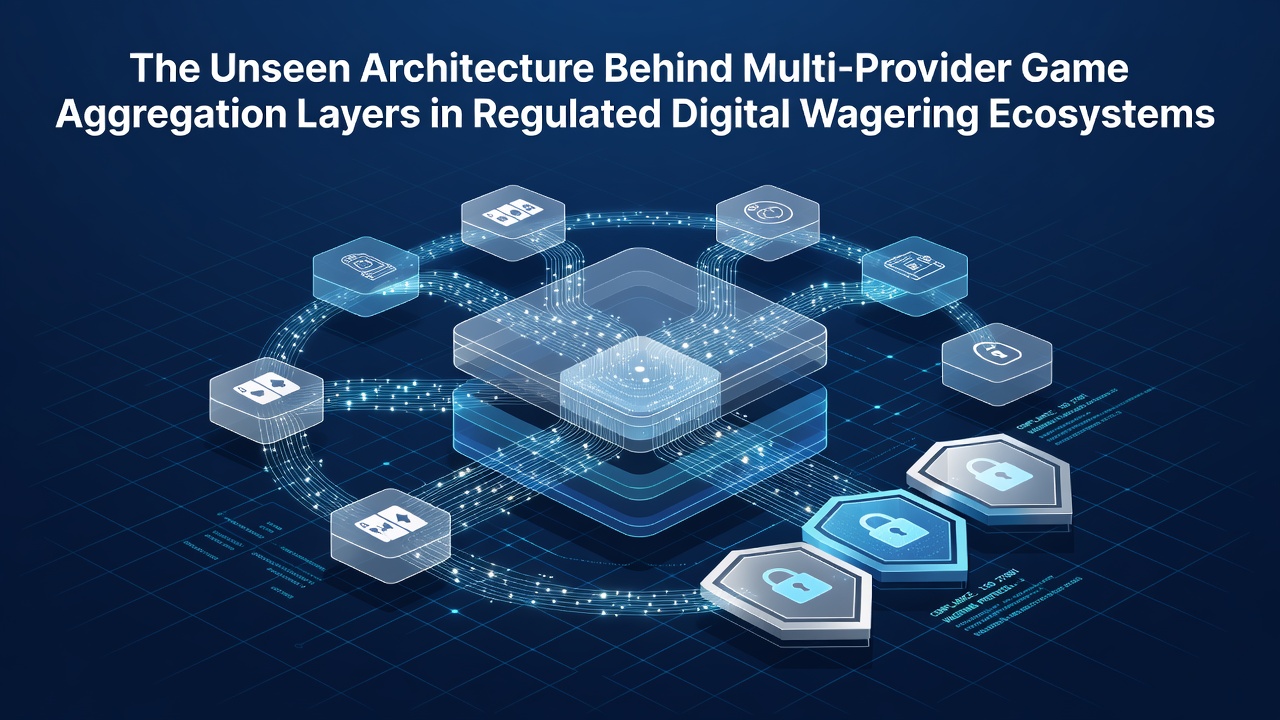
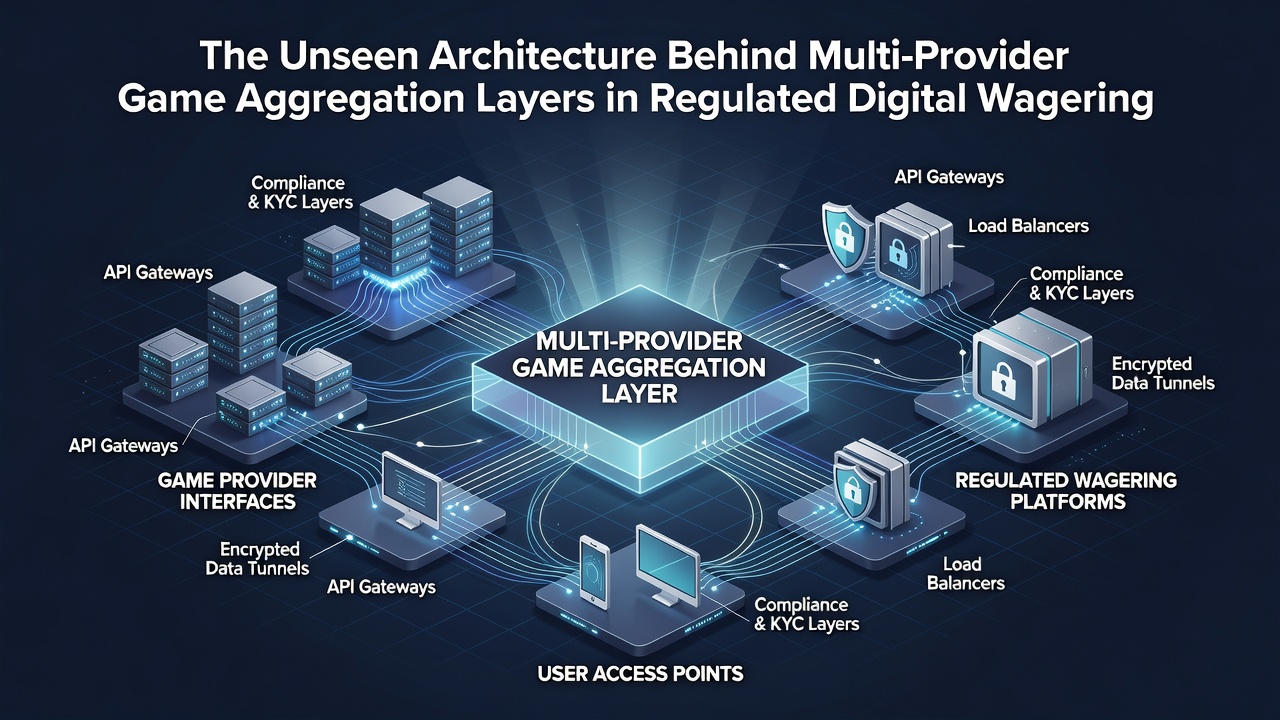
Multi-provider game aggregation layers operate as the central middleware that connects disparate game studios to licensed wagering platforms while maintaining compliance across jurisdictions, and these systems handle thousands of simultaneous connections through standardized APIs that route player requests to the correct content servers. Observers note that the architecture typically consists of a core orchestration engine, compliance validation modules, and real-time reconciliation services that synchronize outcomes with financial ledgers maintained by operators.
Core Components of Aggregation Infrastructure
The orchestration engine serves as the primary traffic director that receives player session data from the front-end casino interface then determines which game provider should handle the request based on availability, regional licensing, and current load balancing rules; data shows these engines process between 50,000 and 200,000 requests per minute during peak hours according to industry benchmarks. Compliance modules sit alongside the engine and perform instant checks against jurisdiction-specific rule sets before any game round begins, while reconciliation services run in parallel to log every transaction for audit trails required by regulators.
Researchers have documented how these layers integrate random number generator feeds from multiple certified laboratories, ensuring each provider's games meet the same statistical standards even when their internal RNG implementations differ. The architecture also incorporates failover mechanisms that automatically reroute traffic if one provider experiences latency spikes, and this redundancy keeps player sessions active without interruption in most documented cases.
Regulatory Integration Points
Regulated ecosystems require aggregation layers to embed direct connections to government reporting portals so that transaction data reaches oversight bodies within mandated timeframes. In October 2026 several North American jurisdictions updated their data submission formats, forcing aggregation providers to deploy new schema parsers that convert internal logs into the required XML and JSON structures without delaying game delivery. Those who've studied these updates know the changes affected reconciliation timing across operators using shared aggregation services.
One study revealed that platforms relying on centralized aggregation reported faster compliance audit completion times compared with those maintaining separate integrations for each game studio. The architecture achieves this efficiency through unified logging formats that regulators can query directly rather than requesting fragmented records from multiple vendors.
Data Flow and Security Protocols
Player actions travel through encrypted tunnels from the operator front end into the aggregation layer where session tokens are validated against active player accounts before any game logic executes. The system then packages the request with jurisdiction metadata and forwards it to the selected provider while simultaneously creating an immutable record in the operator's central ledger. Security protocols include token rotation every few minutes plus behavioral anomaly detection that flags unusual betting patterns for further review.
According to figures from the New Jersey Division of Gaming Enforcement, platforms using mature aggregation layers experienced fewer than 0.02 percent of transactions requiring manual intervention during the 2025 reporting period. These numbers reflect the effectiveness of automated validation rules embedded at multiple points in the data pipeline.
Adaptations Across Jurisdictions
Different regions impose unique constraints on game presentation and payout structures, and aggregation layers accommodate these variations through configurable rule engines rather than custom code for each market. The Alcohol and Gaming Commission of Ontario published guidance in 2026 that clarified acceptable latency thresholds for aggregated game responses, prompting several providers to optimize their middleware caching strategies. European operators have adopted similar approaches while aligning with cross-border reporting standards maintained by the European Gaming and Betting Association.
What's interesting is how these layers also manage currency conversion and tax withholding calculations in real time, applying jurisdiction-specific formulas before results reach the player balance display. Observers note that this prevents downstream reconciliation issues that once required manual corrections at month end.
Conclusion
The architecture supporting multi-provider game aggregation continues to evolve as regulators introduce new data requirements and operators expand their content libraries. Current implementations demonstrate that centralized middleware can satisfy both commercial performance demands and regulatory oversight obligations when designed with modular compliance components. Industry reports indicate steady growth in adoption of these systems across North America and Europe through late 2026.