Shifts in Dealer Training Protocols and Their Quiet Effects on Interaction Quality Across International Live Streaming Tables
Kai Hoffmann · Sep 16, 2026
Shifts in Dealer Training Protocols and Their Quiet Effects on Interaction Quality Across International Live Streaming Tables
Training protocols for live casino dealers have undergone measurable adjustments in recent years, with emphasis shifting toward standardized interaction scripts and technology integration across streaming platforms that connect players to tables in multiple jurisdictions. Data from industry reports indicate these changes coincide with expanded use of real-time analytics in dealer performance reviews, while studios in Europe, Asia, and North America adopt uniform modules that prioritize scripted greetings alongside procedural accuracy.
Protocol Adjustments in Dealer Preparation
Facilities operating live streaming tables now incorporate extended modules on digital interface management, according to records from gaming oversight bodies in several regions, and trainers require dealers to practice timed responses that align with software prompts for bets, wins, and player queries. Observers note the inclusion of cultural sensitivity segments that address diverse player bases, while language drills focus on clear pronunciation during high-volume shifts, and certification processes now track metrics such as average interaction duration per hand rather than relying solely on error rates.
These updates emerged alongside broader platform upgrades that stream tables to global audiences, and regulatory filings show training hours dedicated to compliance topics have increased by documented percentages in approved operations. Researchers examining session logs found patterns where dealers trained under revised protocols maintain consistent pacing even when technical interruptions occur, which connects directly to fewer reported disruptions in player engagement flows.
Measured Impacts on Player Interactions
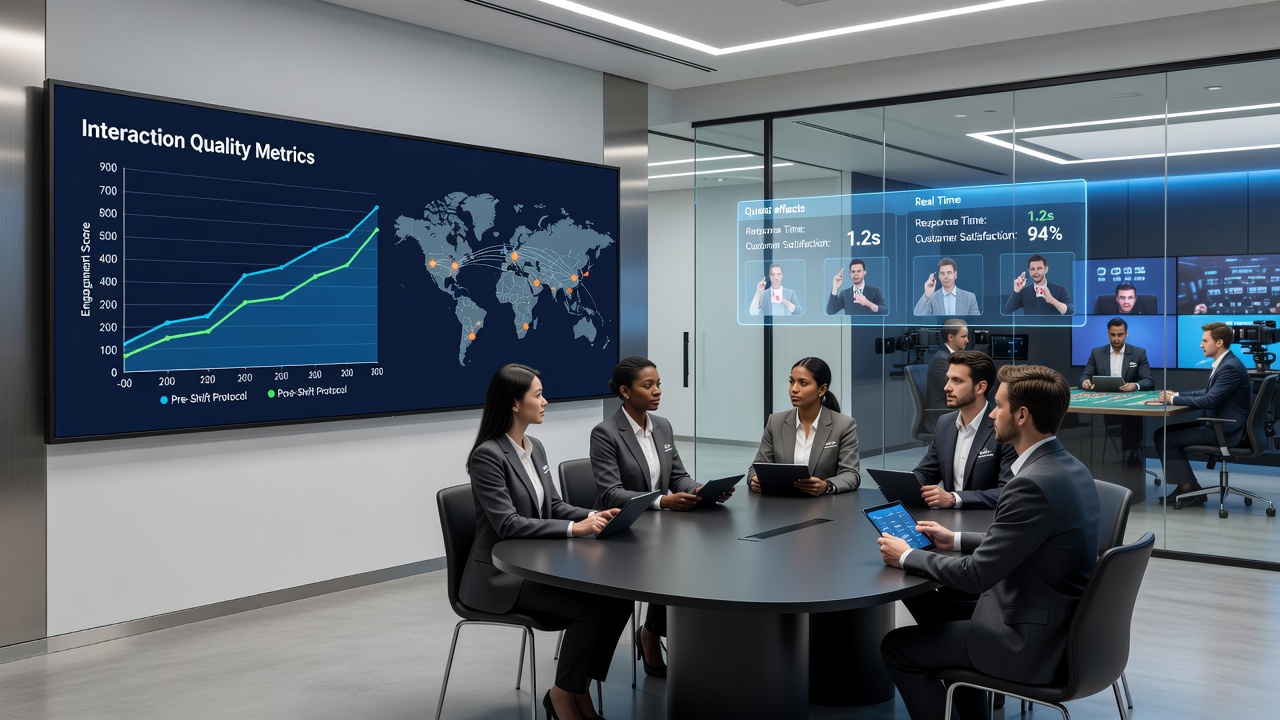
Interaction quality metrics collected from streaming platforms reveal subtle shifts in conversation flow and response consistency following the rollout of updated training standards. Figures from multi-jurisdictional audits demonstrate that dealers completing new protocol sequences handle multi-player tables with reduced variance in tone and timing, while data collected through post-session surveys point to stable player retention rates at tables where such training applies. Analysts tracking chat logs observe fewer instances of repeated clarifications, which stems from emphasis on precise phrasing during initial dealer orientation periods.
Studios report that integration of scenario-based simulations prepares dealers for varied player behaviors across time zones, and performance dashboards used by supervisors flag deviations from established interaction benchmarks. Evidence from operational reviews shows these adjustments correlate with smoother hand transitions during peak hours, although regional differences persist in how strictly facilities enforce the new elements.

Variations Across International Studios
European facilities have aligned training with directives from bodies such as the European Gaming and Betting Association, incorporating modules that address cross-border player expectations, whereas Asian operations emphasize speed and volume management in their revised curricula. North American sites reference guidelines influenced by state-level commissions, and comparative studies highlight how these localized adaptations produce distinct interaction styles even when core protocols overlap. Data compiled by academic groups at institutions studying gaming operations indicate that dealers in high-traffic Asian studios complete more hands per hour under updated training, while European counterparts allocate additional time to personalized acknowledgments within scripted frameworks.
Implementation timelines differ by jurisdiction, with some facilities scheduling full integration ahead of broader regulatory reviews expected around September 2026. Records from compliance departments show that early adopters track interaction satisfaction scores that remain steady across demographic segments, and adjustments to training frequency help maintain those levels amid staff turnover.
Technology Integration and Ongoing Monitoring
Live streaming environments now pair dealer training with AI-assisted review tools that analyze audio clarity and visual engagement cues, according to platform documentation shared among operators. Supervisors use these systems to provide targeted feedback, which connects to incremental improvements in consistency metrics reported across networks. Studies from research centers focused on digital gaming note that such monitoring reduces variability in how dealers address technical issues or player disputes, while preserving required procedural elements like card reveals and payout announcements.
Training providers have introduced refresher courses that revisit interaction benchmarks at regular intervals, and internal audits confirm these sessions correlate with sustained performance indicators. Observers tracking international tables point out that the combination of protocol updates and real-time oversight creates environments where interaction quality remains measurable and adjustable without major overhauls to existing workflows.
Conclusion
Dealer training protocol shifts continue to influence interaction patterns at live streaming tables worldwide, with documented effects appearing in performance data and operational records from diverse regions. Facilities maintain these standards through ongoing certification and technology-supported reviews, which supports consistent engagement across expanding player networks. As implementation progresses toward scheduled milestones including those around September 2026, further data collection will clarify the extent of these quiet adjustments on table dynamics.